

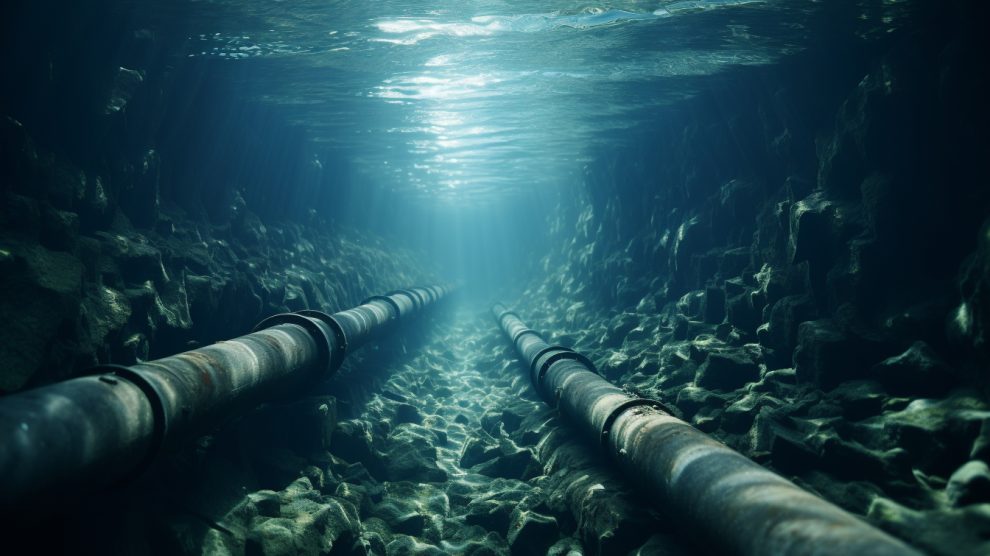
Subsea communication networks are increasingly seen as critical infrastructure for global connectivity — with clear industrial and security implications — as demand for bandwidth accelerates, driven in part by artificial intelligence.
By the numbers:
- JV ownership: Prysmian 80%, Fincantieri 20%
- Transaction value: approx. €55.2 million
What they’re saying:
- Raul Gil, EVP Transmission at Prysmian, said the acquisition represents a key step in the subsea communications sector, pointing to an “accelerated growth” of the market driven by AI.
- Keith Henderson, CEO of Xtera, described the investment as “an important milestone to enhance the competitiveness of maritime communication systems.”
- Pierroberto Folgiero, CEO of Fincantieri, said the move reinforces the maritime domain as a strategic pillar of the group and strengthens its ability to innovate across the entire value chain.
The big picture: Prysmian is strengthening its positioning in subsea telecoms by integrating cable manufacturing, installation, and monitoring capabilities, aiming to deliver regional and long-haul communication links on a global scale.
- The partnership enables an integrated solutions model that combines industrial capacity with maritime expertise.
Between the lines: Beyond M&A, the deal reflects a push toward an end-to-end subsea offering — from design and cable laying to maintenance and security services — at a time when resilience and protection of underwater infrastructure are becoming part of the commercial value proposition.
Security angle: A key element of the agreement is the security dimension: Prysmian’s experience in monitoring and manufacturing will be combined with Fincantieri’s expertise in maritime solutions, including uncrewed platforms and surveillance systems.
What’s next: The partnership is expected to deepen cooperation on cable-laying and new security-related services — including aerial and maritime surveillance — with plans for an integrated presence in Europe and the United States.
- A potential next phase could involve subsea power cables, reflecting the growing strategic importance of underwater infrastructure more broadly.