

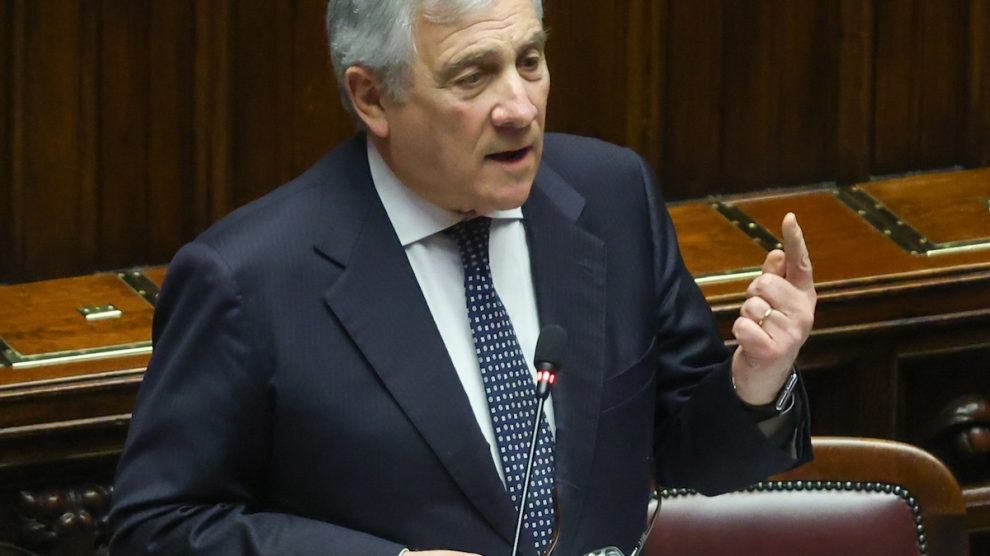
Italian Foreign Minister Antonio Tajani is advancing a dual diplomatic push, traveling to Istanbul for an eight-nation ministerial meeting while simultaneously cementing a strategic axis with the United Arab Emirates to secure vital maritime corridors and regional stability.
The big picture: Rome is heavily deploying its “Expanded Mediterranean” strategy, leveraging both multilateral forums and close bilateral partnerships to address escalating flashpoints stretching from the Gulf to the Black Sea.
- The Istanbul Summit: Promoted by Turkey, a high-level ministerial table brings together top diplomats from four European nations (Italy, France, Germany, the UK) alongside regional heavyweights (Turkey, Saudi Arabia, Pakistan, and Egypt) to address the Middle East, the Palestinian question, Yemen, and the Strait of Hormuz.
- The Gulf Axis: In parallel, Tajani held a strategic dialogue with UAE Foreign Minister Abdullah bin Zayed, mapping out an interconnected agenda that spans regional de-escalation, economic cooperation, and institutional milestones like the upcoming MED Dialogues in Naples this November and a future Joint Commission meeting.
Between the lines: Maritime security and trade protection. Across both diplomatic fronts, protecting critical shipping lanes and countering supply chain vulnerabilities remain the overriding operational priorities for Rome.
- Safeguarding navigation: Tajani emphasized that freedom of navigation in the Strait of Hormuz and surrounding waters “must be guaranteed,” pointing to Italy’s active military footprint via the EU naval mission Aspides.
- Bridging regions: While Ankara’s format provides a broad multilateral venue to bridge European, Middle Eastern, and Asian priorities, the partnership with Abu Dhabi offers a direct economic and political anchor to manage crises from Libya to the Horn of Africa.
Why it matters: As overlapping regional conflicts threaten international commerce and European security, Italy cannot rely on a single diplomatic channel.
- By simultaneously engaging Turkey’s multilateral initiative and strengthening its alliance with the UAE, Rome is positioning itself as an indispensable bridge between Europe and the Middle East—combining naval deterrence with high-level economic and political outreach.