Why it matters: Italy is using the EU foreign ministers’ gathering in Kyiv — held on the anniversary of the Bucha massacre — to reinforce a dual track: accountability for Russian crimes and sustained, practical support to Ukraine across military, energy and infrastructure domains.
The big picture: Foreign Minister Antonio Tajani is in Kyiv to attend an informal meeting of EU foreign ministers, combining symbolic commemoration with policy coordination on the next phase of European support to Ukraine, now entering its fourth year of war.
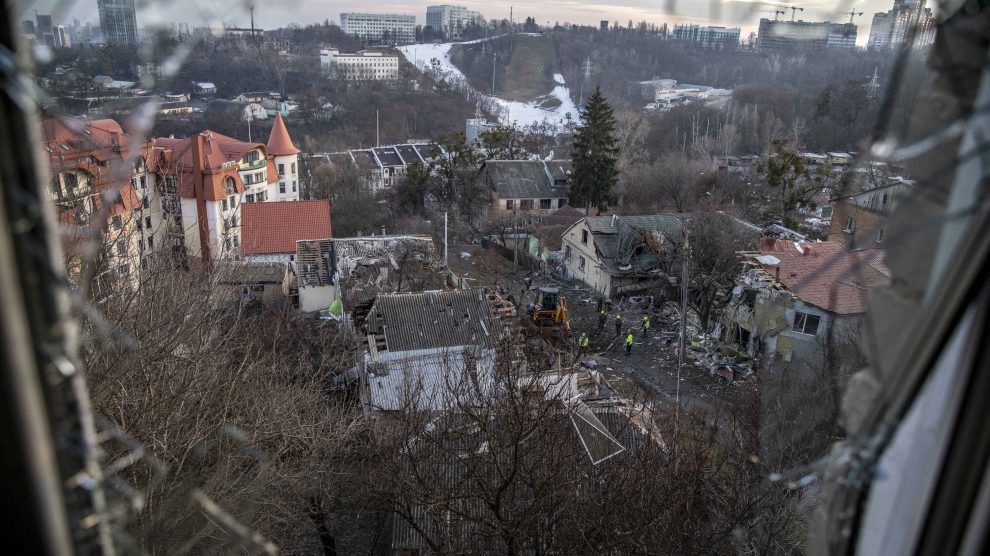
Driving the news: EU ministers took part in commemorations organized by Ukrainian authorities for victims of atrocities committed in Bucha, Irpin and Borodyanka in March 2022.
- According to the UN Office of the High Commissioner for Human Rights, 73 civilians were killed during the short Russian occupation of the area, with a further 105 alleged killings reported.
What’s on the agenda:
- Accountability: A key session focuses on establishing responsibility for crimes committed by Russia, including through the Compensation Commission and the planned Special Tribunal for the crime of aggression against Ukraine.
- War outlook and support: Ministers will assess the battlefield situation after four years of conflict and discuss how to optimize EU support — militarily, energetically and infrastructurally.
- Veterans: A dedicated session will examine challenges related to reintegrating Ukrainian veterans into civilian life, with a focus on social cohesion and economic inclusion in a post-war context.
Italy’s role: FM Tajani is expected to emphasize Italy’s continued political and operational support to Ukraine, aligning with broader EU efforts while maintaining a focus on reconstruction and long-term stability.
On the ground: The visit also includes meetings with Italian diplomatic staff in Kyiv, personnel working in international organizations and members of the Italian business community operating in Ukraine.
Between the lines: The combination of justice mechanisms and reconstruction planning reflects a shift in EU discussions from emergency response toward long-term stabilization and post-conflict architecture.
What we’re watching:
- Whether EU coordination on legal accountability mechanisms translates into concrete institutional steps.
- How member states balance immediate military support with longer-term reconstruction and societal resilience priorities.
The bottom line: Italy is positioning itself within the EU framework as a steady contributor to both accountability efforts and the long-term rebuilding of Ukraine, as the war enters a more protracted phase.