Why it matters: Italy is widening the scope of its Africa strategy under the Mattei Plan while trying to position Rome as a European hub for investment and economic partnerships with the continent.
What’s happening: Prime Minister Giorgia Meloni announced that four additional African countries — the Democratic Republic of Congo, Rwanda, Gabon and Zambia — will be included among the priority partners of the Italian government’s Mattei Plan starting in 2026.
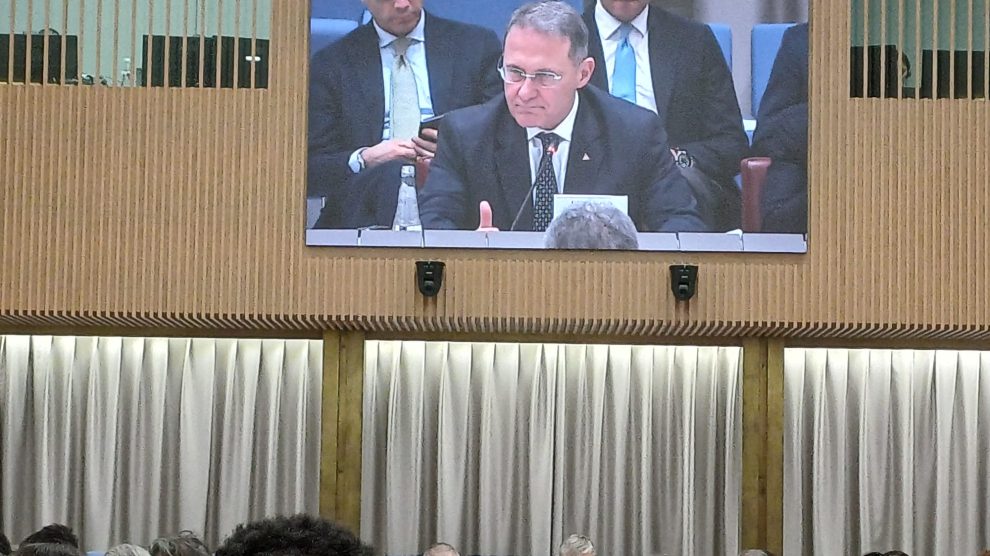
- The announcement came during the conference “Laying the Groundwork for Jobs in Africa: Core Infrastructure & Business Environments,” held at the headquarters of the Bank of Italy in Rome.
- The Mattei Plan — Italy’s flagship initiative for engagement with Africa — focuses on infrastructure development, investment and job creation, with the stated aim of strengthening economic partnerships between Italy and African countries.
The financial dimension: A central element of the strategy is closer cooperation with the World Bank Group and its private-sector arm, the International Finance Corporation.
- Italian officials highlighted the opening of an IFC office in Rome as a strategic step designed to connect Italian companies with African investment opportunities and with financing instruments provided by the World Bank system.
- The presence of the IFC is intended to facilitate the identification of “bankable” projects and mobilize private capital toward initiatives aimed at employment creation and economic development across African markets.
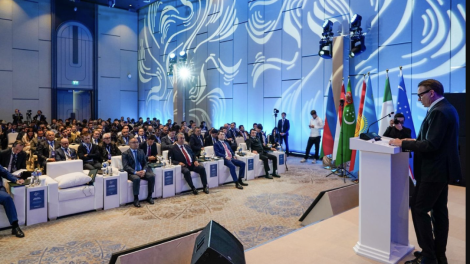
A broader diplomatic push: The announcement comes as Rome hosts the latest edition of Italy Africa Business Week, a platform that brings together companies, institutions and policymakers focused on economic cooperation between Italy and African countries.
- Organizers say the event — now in its ninth edition — has involved thousands of companies and generated nearly two hundred partnerships over the years.
- The discussions focus on sectors considered strategic for development, including agriculture, water management, renewable energy, infrastructure, education and support for small and medium-sized enterprises.
Policy priorities: Speaking at the conference, Deputy Foreign Minister Edmondo Cirielli outlined two thematic priorities within Italy’s approach: sustainable urban development and agricultural value chains.
- Projects related to “green cities” are seen as a way to address rapid urbanization and infrastructure needs in African countries, while agricultural initiatives — including programs linked to coffee production — are intended to support local economies through partnerships with private companies.
- Italian officials describe these initiatives as part of a broader effort to align development cooperation with economic opportunities for businesses and investors.
Between the lines: Rome is also attempting to position itself as a coordinating platform where public institutions, development agencies and private investors can work together on African projects.
- Italy’s foreign ministry and development institutions — including export credit agency SACE and state lender Cassa Depositi e Prestiti — are increasingly involved in financing and supporting projects connected to the Mattei Plan.
The big picture: Italy’s Africa policy reflects a broader shift among European countries toward development models that rely more heavily on infrastructure investment, private capital and industrial partnerships.
- By expanding the Mattei Plan and strengthening links with international financial institutions and business networks, Rome is seeking to increase its economic and diplomatic footprint in Africa while reinforcing its role within Europe’s engagement with the continent.