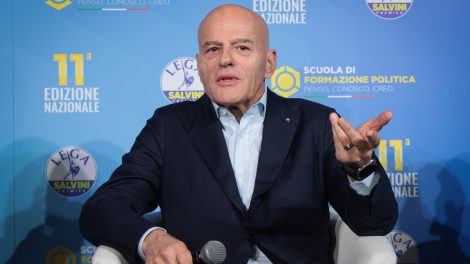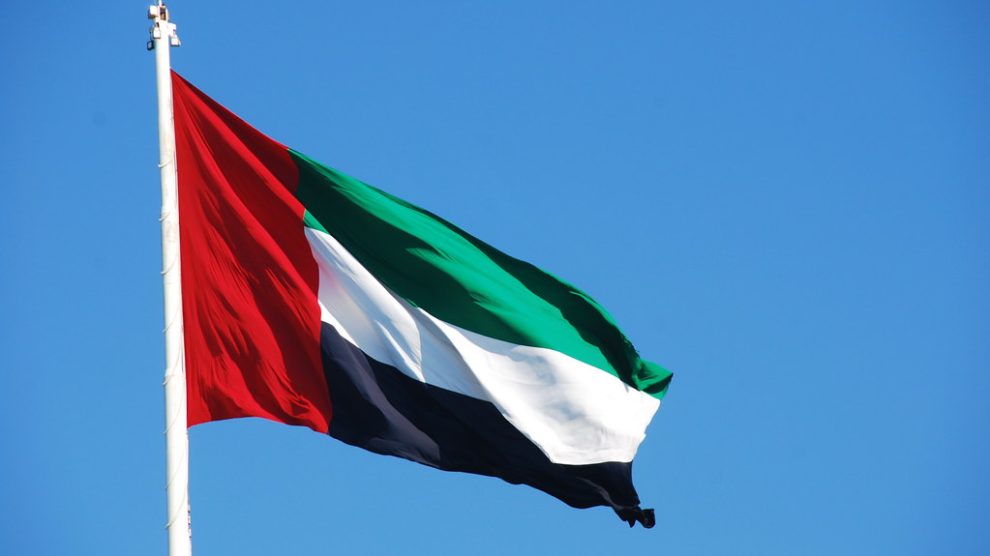
Commenting on the current escalation in the region, Mr Alhajeri described the scale of attacks that the United Arab Emirates says it has faced in recent months. According to the Emirati official, the country has received more than 2,000 attacks involving missiles, drones, and ballistic missiles, which he described as “unprovoked aggression coming from Iran.”
Iranian attacks and the UAE’s defensive posture. The attacks, he said, targeted civilian infrastructure, including residential areas, shopping malls, and airports, causing casualties and injuries among civilians. Despite this, the UAE has maintained what he called a defensive posture focused primarily on protecting the population.
- “The safety of our people and of the citizens living in the UAE has been our priority,” Alhajeri said, adding that the country continues to act defensively while hoping that tensions can de‑escalate.
- At the same time, he stressed that the UAE reserves the right to take whatever action it considers necessary in the national interest.
Hormuz and the global stakes of maritime security. The Emirati Minister of State also pointed to the wider implications of the crisis for global energy markets and maritime security, particularly regarding tensions affecting the Strait of Hormuz.
- According to Alhajeri, attacks and disruptions in the area highlight behavior that goes beyond a regional confrontation. “This is not only an issue affecting the UAE or the GCC,” he said. “It is a global issue.”
- The Arabian Gulf remains one of the world’s most critical energy arteries, with more than 25% of global energy flows passing through its waters.
- For this reason, Alhajeri emphasized that freedom of navigation and trade has become a global priority, with international actors closely monitoring the situation. Reopening secure commercial routes through Hormuz, he added, remains essential.
The UAE’s role in implementing IMEC. Beyond the immediate security crisis, Alhajeri stressed that the United Arab Emirates intends to play a central role in the development of the India‑Middle East‑Europe Economic Corridor (IMEC).
- The UAE, he noted, was among the key actors involved in launching the initiative during the G20 summit hosted by India, and now sees itself as a core implementer rather than only a political supporter of the project.
- “We see ourselves as one of the main implementers,” he said, pointing to the country’s logistics capabilities in ports, aviation, and rail infrastructure.
- According to Alhajeri, the UAE has already demonstrated its ability to translate connectivity initiatives into concrete projects and now hopes to see more tangible progress along the corridor.
Italy‑UAE economic ties. Alhajeri also highlighted the strength of economic relations between the United Arab Emirates and Italy. The UAE, he said, is Italy’s largest trade partner in the Middle East, while Italy represents the UAE’s leading European trade partner, with bilateral trade exceeding $16 billion.
- Economic cooperation spans sectors such as energy, logistics, and infrastructure, supported by long‑standing relationships between companies and by close political dialogue between the two countries.
- Beyond economic ties, Alhajeri emphasized the importance of people‑to‑people connections and the closeness between the leaderships of both nations as a key foundation of the partnership.