

Why it matters: The Thamm Plus program in the mechatronics sector shows how certified training, clear rules, and industry partnerships can turn labour mobility into a tool for shared development — in line with Italy’s Mattei Plan approach toward Africa.
What’s happening: Within the Mattei Plan framework, Thamm Plus creates a structured corridor of skilled mobility between Italy and Morocco.
- The program rests on three operational pillars: certified training, joint identification of industrial needs, and a dedicated legal channel (Article 23) separate from ordinary migration flows.
- Backed by Italy’s Interior and Labour ministries, it involves the regions of Lombardy, Veneto and Emilia-Romagna and is part of the EU Talent Partnerships.
- It aims to train and place 500 qualified young workers through a fully regulated pathway — job matching, security clearance, visa and residence contract.
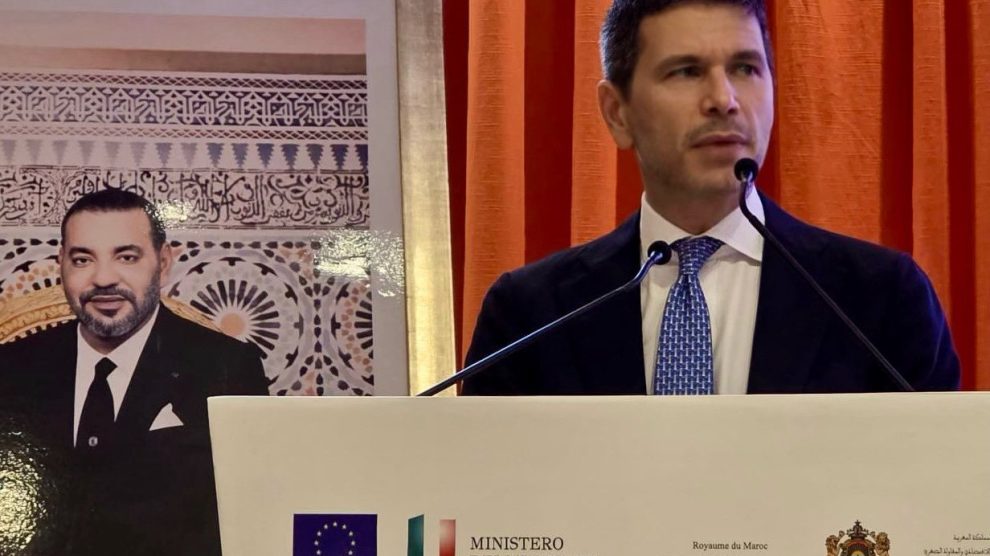
What they’re saying: “The Thamm Plus recruitment day represents an operational step in a project that addresses labour mobility in a structured and regulated way, closely tied to productive needs,” Ambassador Pasquale Salzano told Agenzia Nova.
- “This is not symbolic, but a concrete scheme integrating qualified training, targeted selection and full compliance with the legal framework.”
The big picture: The project focuses on mechatronics, a strategic core of advanced manufacturing.
- Europe’s industrial competitiveness increasingly depends on technical skills, while partner countries have trained young populations seeking opportunities.
- Thamm Plus aligns companies’ needs with training in countries of origin, enabling targeted and sustainable job placements.
Zoom in — Mattei Plan: The initiative fits into Italy’s broader Africa strategy, highlighted at the Addis Ababa summit as a platform for structured cooperation.
- Skilled training and regulated mobility are emerging as key pillars for shared development and stability.
- Investing in local skills strengthens partner economies while addressing Italy’s labour shortages.
Between the lines: Mobility is framed not as a social or humanitarian issue alone, but as part of economic security and strategic projection in the wider Mediterranean.
- Programs like this build positive interdependence and help stabilise the southern neighbourhood.
What’s next: The Italy–Morocco model could be replicated in other African contexts.
- As global competition for skills intensifies and supply chains reorganise, legal corridors for skilled mobility may become central tools of long-term strategic partnerships.
The bottom line: Thamm Plus translates the Mattei Plan from political vision into an operational mechanism that links legality, industrial competitiveness and cooperation — turning mobility into a driver of mutual growth.