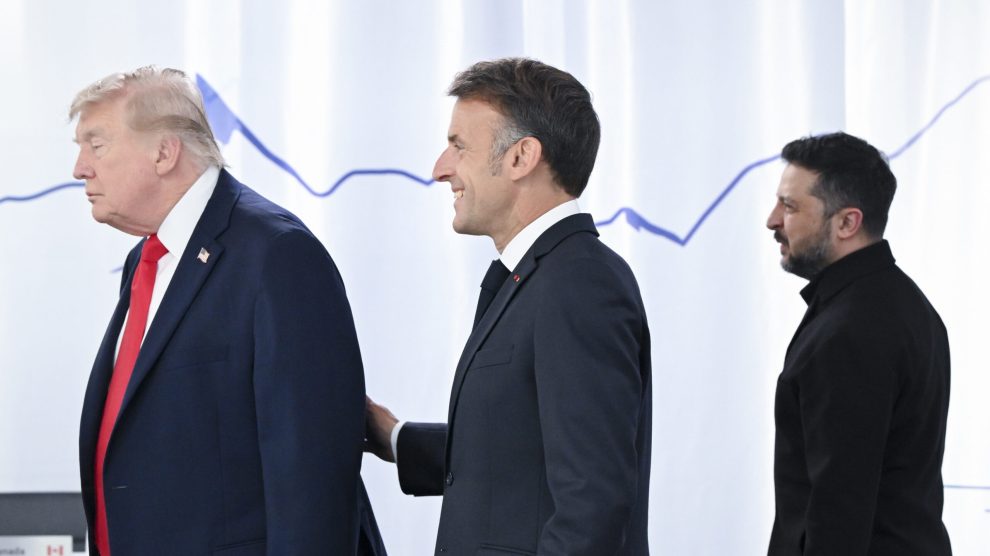
The move. With fighting between Israel and Iran easing, attention has shifted back to Ukraine. U.S. President Donald Trump has reiterated his intention to end the war, while G7 leaders are reportedly discussing additional sanctions targeting Russia’s energy sector.
- According to Herbst, Trump is sincere in wanting a peace agreement but has yet to apply enough pressure on the aggressor. He notes that Ukrainian President Volodymyr Zelensky accepted several peace proposals put forward by Washington, whereas Russian President Vladimir Putin rejected each of them.
- “The most important step is to pressure the aggressor,” Herbst argues. While previous U.S. sanctions against Rosneft and Lukoil demonstrated that Washington can influence Moscow, he believes subsequent easing of energy-related restrictions has weakened that message.
Why it matters: Herbst’s assessment reflects a broader strategic debate within the West: whether diplomacy can succeed without significantly increasing the costs of continuing the war for Russia.
- His argument suggests that Moscow’s calculations remain primarily military rather than diplomatic. In this reading, meaningful negotiations will only become possible if the Kremlin concludes that victory is unattainable and that economic and political pressure will continue to intensify.
- The discussion comes as Russia continues large-scale missile and drone attacks against Ukrainian cities, reinforcing concerns that the Kremlin sees little incentive to compromise.
Strategic convergence. Despite disagreements over tactics, Herbst sees growing alignment between Europe and the United States on the need to sustain Ukraine.
- He points to stronger European economic support after Washington reduced financial assistance, increased defense spending across Europe, and deeper industrial cooperation between European countries and Ukraine.
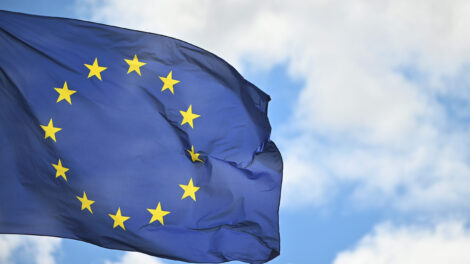
- The formal opening of EU accession negotiations with both Ukraine and Moldova further illustrates Europe’s long-term political commitment, even if membership remains years away.
The bigger picture: Herbst also argues that Europe possesses additional leverage through the hundreds of billions of euros in frozen Russian assets.
- While part of those funds has already been mobilized to support Ukraine, he believes European governments should consider using the remaining assets more decisively. Combined with continued sanctions and military assistance, such measures could gradually erode Russia’s ability to sustain the war.
Political fault lines. Not all Western leaders agree on Ukraine’s future security architecture. Trump has described eventual EU membership as one of Kyiv’s strongest security guarantees. Herbst disagrees, arguing that while EU accession is strategically valuable, it cannot replace robust security guarantees or eventual NATO membership. He acknowledges that NATO accession remains politically impossible under the current U.S. administration but rejects the idea that it should be permanently ruled out.
What it signals: Ambassador Herbst’s message reflects a growing school of thought in Western strategic circles: peace will depend less on diplomatic outreach than on maintaining credible economic and military pressure on Russia. As Europe expands its political and financial commitment to Ukraine, the central question is increasingly whether Washington is prepared to match that effort with a sustained strategy of coercion rather than negotiation alone.