Why it matters: For export-driven economies like Italy, the deal opens a large, underexploited market at a moment of geopolitical fragmentation and supply chain stress.
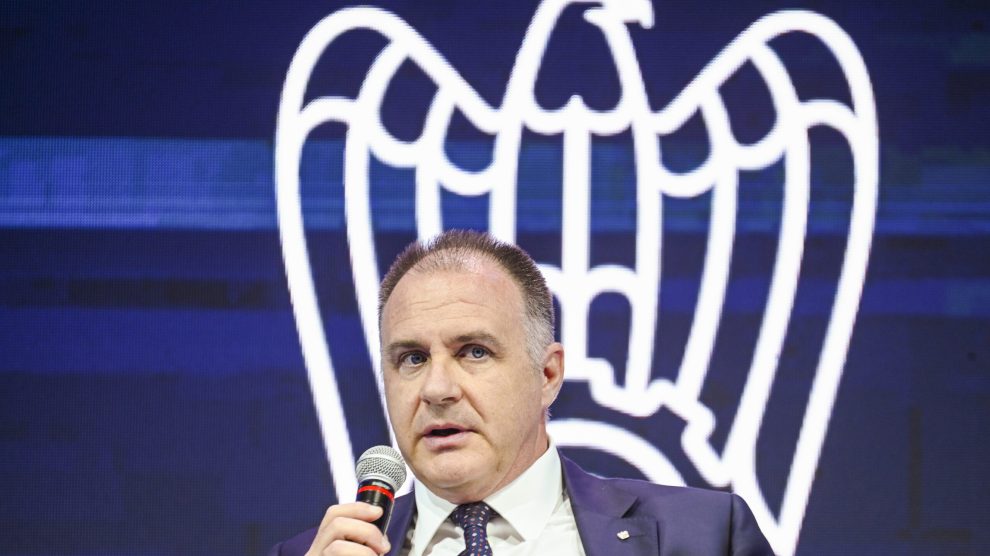
Confindustria hosts first Italy–Mercosur high-level meeting. In Rome, Confindustria convened its first high-level meeting on Italy–Mercosur economic relations, bringing together top industrial leaders from both sides just days ahead of the agreement’s rollout.
Who was there:
- Emanuele Orsini (President, Confindustria)
- Barbara Cimmino (VP for Export)
- Ricardo Alban (Brazil’s CNI)
- Leonardo García (Uruguay’s Cámara de Industrias)
- Martin Rappallini (Argentina’s Unión Industrial)
- Carlos Insfran Micossi (Paraguay’s Unión Industrial)
The focus: Turning political agreement into operational cooperation — fast.
- Confindustria outlined a dedicated plan to:
- strengthen industrial partnerships;
- support treaty modernization;
- unlock new business opportunities on both sides.
- The approach blends training, industrial promotion, and market intelligence — with a strong emphasis on strategic supply chains and digital tools.
What’s next: missions, forums, and sector focus. Italy is not waiting for implementation to begin.
- Upcoming steps:
- Sept 7–11: “System mission” to Argentina and Brazil (Buenos Aires, São Paulo, Brasília)
- Oct 13: Italy–Latin America SME Forum in Argentina
- Priority sectors:
- Energy transition
- Infrastructure
- Pharmaceuticals
- Machinery
- Agri-tech
- Digital
- The goal: build pipelines of projects, not just trade flows.
The deal in numbers. After 25 years of negotiations, the agreement delivers one of the most comprehensive tariff reductions ever negotiated by the EU.
- Key provisions: Tariffs removed on 91% of EU exports to Mercosur over 15 years
- Duties cut:
- up to 35% on food products and machinery;
- 20% on vehicles;
- 18% on chemicals, plastics, rubber, optical instruments.
- Geographical indications:
- 57 Italian food products protected
- 344 EU GIs recognized overall
- Economic upside for Italy — and Europe.
- Trade impact:
- Italian exports to Mercosur: €7.5 billion (2025);
- Italy: 2nd EU trade partner in the region after Germany;
- Trade surplus: ~€600 million.
- Cost savings:
- Estimated €4 billion annually for European industry from tariff elimination
- Trade impact:
The bigger picture: supply chains and strategic autonomy. This is not just a trade deal.
- What’s really at stake:
- Securing access to critical raw materials (lithium, copper)
- Building new value chains tied to Europe’s industrial and tech ambitions
- Expanding EU influence in Latin America through economic integration
- The agreement positions the EU as the region’s leading trade partner by number of agreements — a structural shift in transatlantic economic geography.
The bottom line. “This is not just about trade, but about growing together through technology and industrial cooperation,” Confindustria President Orsini said at the close of the meeting.
- A roadmap is already taking shape — and for Italy, the opportunity is clear: scale presence in Latin America while reducing exposure to geopolitical risk elsewhere.