That was the message emerging from the forum “Technology and Environment: prospects for Italy and Brazil in light of the EU-Mercosur Agreement,” held in Rome and organized by the Italy-Brazil Friendship Association and FGV Europe.
Why it matters: Rome is seeking a larger industrial role in the growing Europe–Latin America economic relationship.
- Biofuels remain one of the most contested areas in Europe’s energy transition debate.
- Brazil is increasingly seen as a key partner for alternative energy technologies and critical raw materials.
- The EU-Mercosur agreement could accelerate trade and industrial integration between Italy and South America.
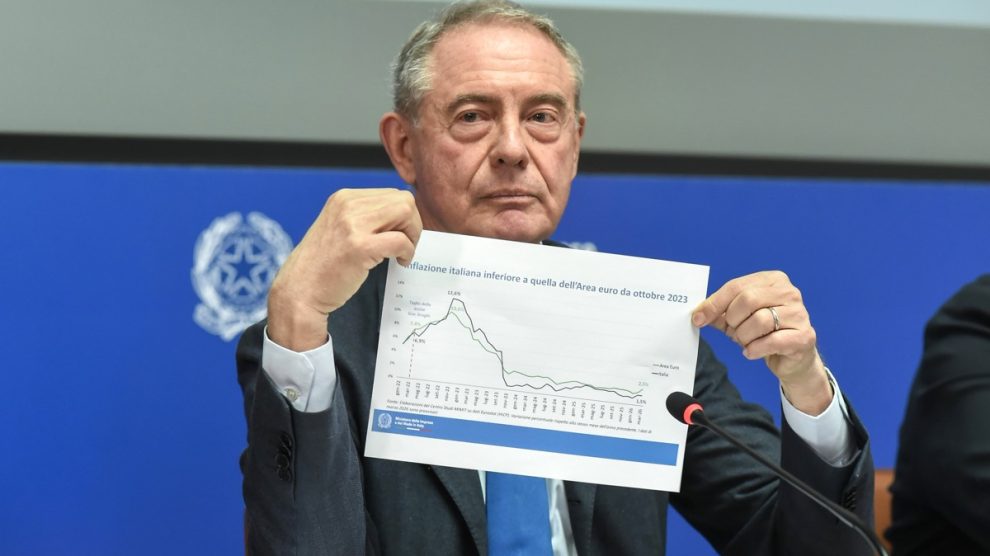
Zoom in: the biofuels push. Italian Industry Minister Adolfo Urso described Brazil as “an important country for the development of alternative technologies, particularly biofuels.”
- Urso said Italy’s industrial system has worked to convince Brussels that biofuels should be considered “one of the answers for the energy transition,” especially in the decarbonization of transport.
- The comments reflect a broader Italian industrial position favoring a more technology-neutral approach to Europe’s green transition, rather than relying exclusively on electrification.
The big picture: For Rome, the EU-Mercosur agreement comes at a time when Europe is seeking more diversified economic partnerships and supply chains amid a more fragmented global environment.
- Urso described the deal as the result of “decades of discussions” and suggested it could mark “a new phase of European policy” in response to shifting geopolitical dynamics.
- He also pointed to Brazil’s large Italian-descendant community as a strategic asset for strengthening economic and industrial ties between the two countries.
Follow the money. Italian business leaders used the Rome forum to frame the agreement as a major industrial opportunity.
- Barbara Cimmino, vice president of Confindustria for exports and investment attraction, called the deal “a fundamental lever for the competitiveness of our companies.”
- Trade between Italy and the Mercosur region already exceeds €17 billion, according to Confindustria.
- Cimmino said:
- Italy is Mercosur’s second-largest European trading partner;
- 80% of Italy’s trade with the region is concentrated in Brazil;
- bilateral trade has grown 57% over the past decade;
- Italian manufacturing exports could reach €5.7 billion in 2025.
- She also described Brazil as a strategic partner for access to “essential raw materials and minerals.”
Between the lines: Italy’s interest in Brazil goes beyond trade alone. The Rome discussions highlighted a broader effort to connect:
- energy transition policies;
- industrial competitiveness;
- raw material supply chains;
- new manufacturing partnerships.
Italian industry representatives repeatedly framed sustainability and industrial growth as complementary goals rather than competing priorities.
- Cimmino said the sustainability chapter of the EU-Mercosur agreement aims to combine “growth and environmental protection,” calling it necessary both for commercial stability and for Europe’s climate targets.
Zoom in: tariffs and market access. One of the agreement’s most immediate effects concerns tariffs and market access. Speakers at the forum noted that 10% of European exports are already subject to zero tariffs as of May 1, with further barriers expected to be gradually removed over the coming years.
- The sectors expected to benefit most include:
- machinery;
- transport;
- chemicals and pharmaceuticals.
- Confindustria has already announced a business mission to Argentina and Brazil in September focused on strategic sectors and new value chains.
What we’re watching: Key issues ahead include:
- implementation of the EU-Mercosur agreement;
- Europe’s internal debate over biofuels;
- future Italy-Brazil industrial partnerships;
- the EU’s attempt to balance climate goals with industrial competitiveness.
The bottom line: Italian officials and industry leaders increasingly see the EU-Mercosur agreement as more than a trade deal. For Rome, Brazil is emerging as a central partner in Europe’s broader strategy on energy, industrial policy and technological transition.