The reading. Speaking to Formiche.net, Katulis – a senior fellow at the Washington-based Middle East Institute — draws a direct line between the two theatres. Neither crisis, in his view, is being managed by a coordinated coalition of the United States, Europe and Gulf partners.
- His sharpest example is the trip to Moscow by CIA director John Ratcliffe to warn Russia against attacking NATO: a signal of weakness and desperation, Katulis says, rather than of negotiating strength, and evidence that the Trump administration’s approach to the Russia file has not improved Washington’s position.
Geography as deterrent. Katulis pushes back on the idea that Iran’s leverage ever rested primarily on its nuclear programme or its missile arsenal. Tehran’s core instrument, he argues, is the sustained use of asymmetric power across multiple theatres — terrorism, conventional military means, information warfare and economic warfare.
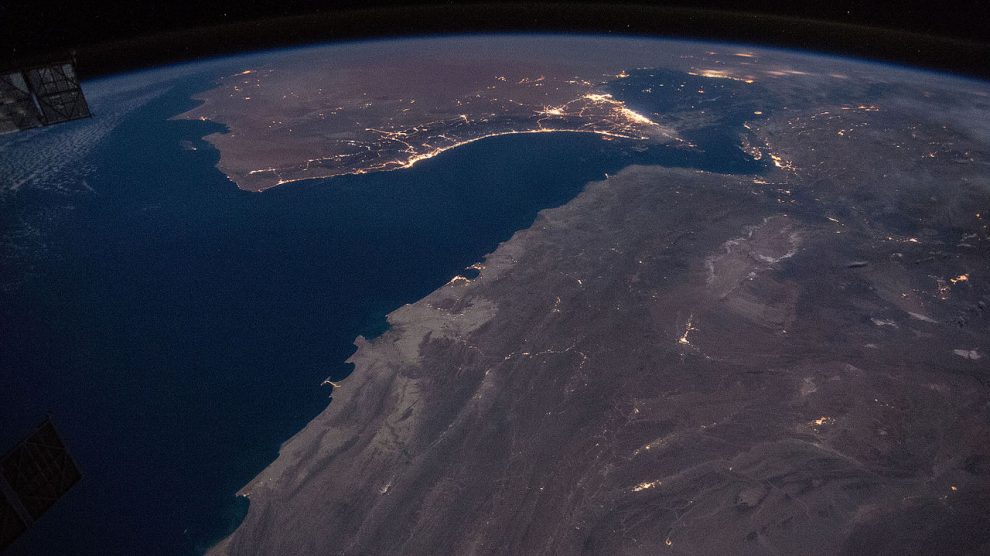
- What the 2026 war changed is geography: the conflict handed the Iranian regime control over the Strait of Hormuz, a lever it did not hold before, allowing it to impose costs on global shipping in ways it had never previously attempted.
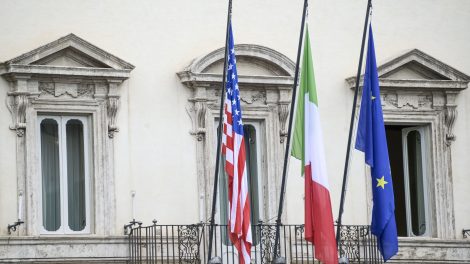
The coalition deficit. The way out, for Katulis, runs through an inclusive diplomatic coalition assembled with key Middle Eastern, European and Asian partners. That has not happened.
- He describes the administration’s diplomacy as fragmented and improvised, producing no durable results precisely because it failed to align with the actors who matter most – above all the Gulf states, which he says have been damaged by Washington’s shifting approaches.
The Ukraine parallel. The same diagnosis applies further north. The war grinds on, Katulis argues, because neither Europe nor the US has a proactive strategy capable of exploiting Russia’s weaknesses. Instead, internal transatlantic divisions are being exploited by the weaker party – Russia itself.
- There is a fiscal dimension too. Katulis contends that flawed national security choices in Washington inadvertently strengthened both Russia and China by driving up global energy prices, easing pressure on Moscow’s budget at the moment sanctions were biting hardest.
What it signals. Every ceasefire since 2014 has collapsed.
- A durable one in 2026, on any of these fronts, would require two things Katulis does not currently see: a security strategy backed by the military means to impose real costs on violators, and a steadier American leadership, less habituated to unpredictability.