
The shift. In recent weeks, part of Iran’s diplomatic network has adopted a new communication playbook. Its official accounts, especially on X, are using memes, AI-generated videos, jokes about Donald Trump, references to Western pop culture and adaptive messages tailored to national audiences.
Why it matters. This marks a shift from traditional diplomatic language to a faster, more aggressive and more social-native form of state messaging.
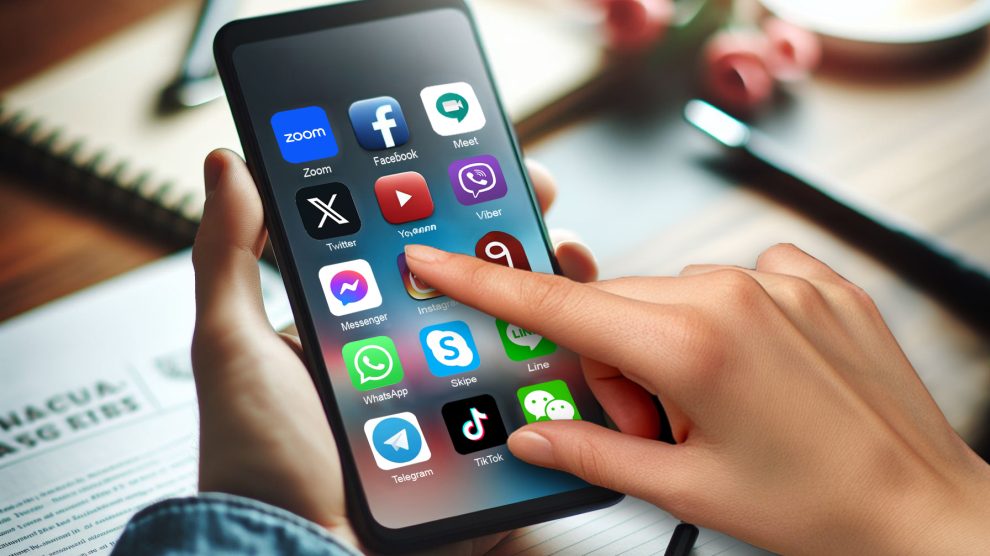
- According to an analysis by the Institute for Strategic Dialogue, many Iranian embassy and consulate accounts on X have partly abandoned the usual diplomatic tone in favour of a sharper, ironic and more confrontational style.
- ISD found that, in the first 50 days of the conflict in Iran, around 150 Iranian diplomatic and government accounts moved from roughly 10,500 posts to 40,000. Views rose from 55 million to 896 million, while shares increased from 4.3 million to 76 million.
- The result is a communication ecosystem built less around the official statement and more around the punchline.
Donald Trump is the main target. In the most viral content, the American president is turned into a grotesque, vain, almost messianic figure.
- The logic is tactical: Trump is recognisable everywhere. He polarises. He generates engagement and that allows Tehran to speak not only to its own supporters but also to Western audiences already critical of Washington.
- This is propaganda, but in a more fluid and shareable form. Users can repost it because it is anti-American. After all, it mocks Trump because it is funny, or simply because it works as a meme.
The Italy case. The Italian version of this strategy is perhaps the most sophisticated. The clearest example is a viral post by the Iranian embassy in Ghana titled “Dear Italy.”
- The message played on the idea that, after tensions involving Trump, Giorgia Meloni and the Pope, Iran could present itself as a possible actor able to fill a supposed void left by Washington as Italy’s ally.
- The tone was deliberately ironic. But the underlying message was serious: Iran was presenting itself as an ancient civilisation, culturally close to Italy, more respectful and less arrogant than the United States.
Between the lines. Tehran was not only mocking Washington. It was trying to reposition itself as a more natural and civilizational partner for Rome.
- Another example came from the Iranian embassy in Thailand. The message, later picked up by Italian media, responded to speculation about a possible attack on Italy with a conciliatory register.
- Its argument was simple: why would Iran ever strike a country whose people, food and cities it loves? The post mentioned Rome, Rimini, Pisa, Milan, Venice, Sardinia, Florence, Naples, Genoa, Turin and Sicily. The message was calibrated to the Italian imagination.
- In the message, food, cities and cultural affinity replaced the nuclear file, military threats and diplomatic tension.
Meme or information warfare? Tehran’s communication shift is designed to improve Iran’s image, weaken the credibility of its adversary, exploit internal fractures in the West, turn Trump into a global caricature and present Iran as more lucid, more cultured and even more likeable.
- The AI component makes the campaign faster, more scalable and visually more effective.
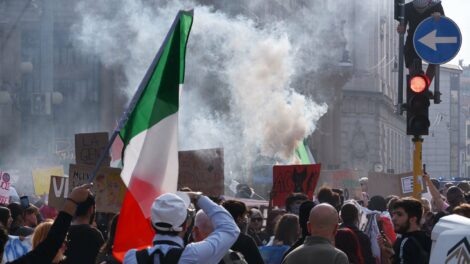
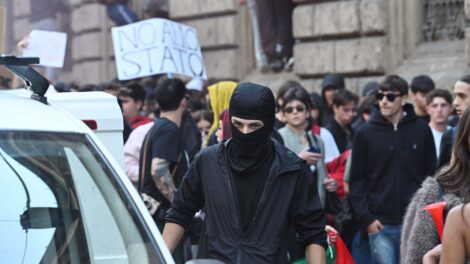
- Italy, in this context, becomes a lateral but useful target: it is a G7 member, a NATO country, a Mediterranean actor and a U.S. ally. But it is also a society marked by anti-interventionist sensitivities, antagonistic and anti-establishment currents, distrust toward Washington and strong attention to cultural heritage.
- That makes Italy a receptive terrain for messages built around civilisation, beauty, food and historical memory.
- Talking to Italians about poetry, cuisine and ancient civilisations is not just irony. It is targeting — not microtargeting, perhaps, but certainly macrotargeting.