
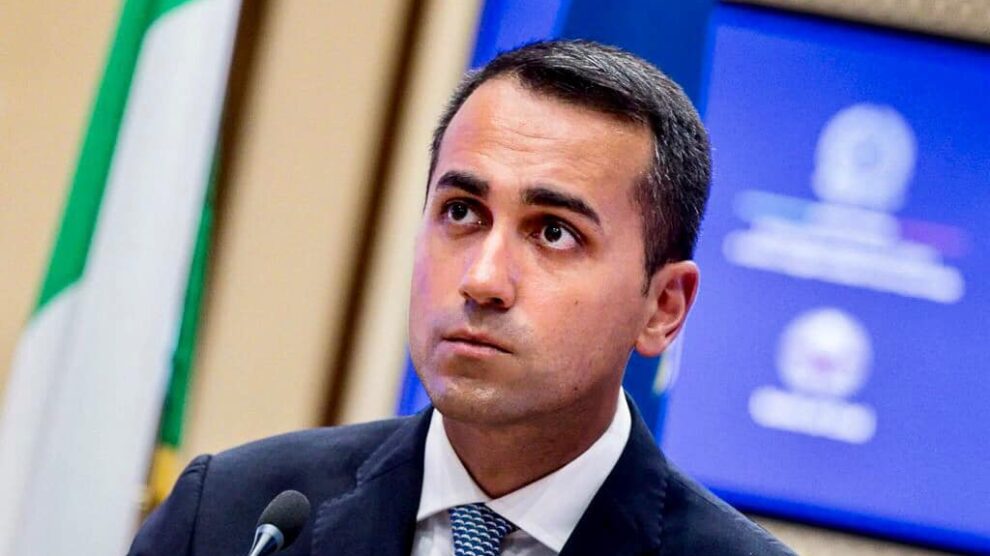
The future of Middle Eastern security should be inspired by the Helsinki principles of 1975 rather than the geopolitical arrangements negotiated at Yalta in 1945. This was the central message delivered by Luigi Di Maio, the European Union’s Special Representative for the Gulf region, at the 12th MED Dialogues, which opened in Naples on November 19.
Speaking at the conference organised by Italy’s Foreign Ministry and the Italian Institute for International Political Studies (ISPI), Di Maio warned against arrangements that would effectively legitimise spheres of influence in the Middle East.
Why it matters. The distinction between Yalta and Helsinki reflects a broader debate over the political foundations of a future regional security architecture.
- “The big difference in resolving this issue is between what happened at Yalta in 1945 and what happened in Helsinki in 1975,” Di Maio argued.
- Rather than negotiating a division of regional influence among competing powers, the European envoy advocated a framework based on sovereignty, territorial integrity, non-aggression and cooperation.
- For Brussels, the challenge is to encourage a regional order in which states participate in shaping common security arrangements without allowing the balance between major powers to determine their political choices.
The Gulf’s collective voice. Di Maio identified stronger regional organisations, particularly the Gulf Cooperation Council (GCC), as an essential component of this process.
- Greater coordination among Gulf countries would strengthen their negotiating position vis-à-vis Iran and give them a more substantial role in determining the region’s security arrangements.
- According to the EU envoy, any future agreement with Tehran should involve the United States while addressing Gulf countries’ security concerns, learning from the limitations of the 2015 nuclear agreement.
- GCC Secretary-General Jasem Mohamed Al Budaiwi reinforced the importance of regional coordination, particularly regarding maritime security.
Freedom of navigation through the Strait of Hormuz, he argued, is a global concern rather than an exclusively regional issue. Disruptions affect energy markets, supply chains and economic stability far beyond the Gulf.
- His remarks also reflected the GCC’s ambition to contribute to connectivity between Asia, the Middle East and Europe through investment, infrastructure and economic cooperation.
The big picture. Di Maio’s approach also calls for revitalising multilateral institutions. “Sometimes I have the impression that expectations towards the EU are very high because expectations towards the UN are now close to zero,” he observed.
- The European envoy suggested that the appointment of the next United Nations secretary-general could provide an opportunity to restore peace and security to the organisation’s priorities.
- Regional diplomacy, including Qatar’s mediation efforts between Washington and Tehran, would therefore need to operate within a broader international framework.
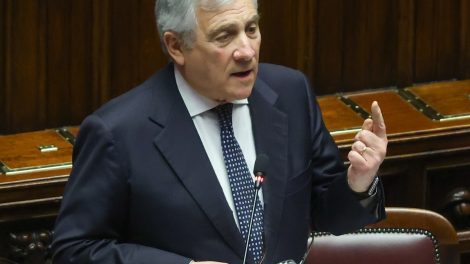
Italy’s economic security agenda. Italian Foreign Minister Antonio Tajani approached the same regional challenges through their economic and infrastructural consequences.
- Decode39 reported from Naples that Tajani called for a Mediterranean platform for cooperation, not a closed fortress. His priorities included freedom of navigation, safeguarding fertilizer shipments through Hormuz, maintaining grain supplies through the Black Sea, and strengthening commercial connections between Europe and Asia.
- He reiterated Italy’s commitment to IMEC, envisioning an interconnected network of ports linking India, the Gulf, and the Mediterranean, with Trieste and Marseille as major European gateways. This initiative aligns with Italy’s growing strategic convergence with India, focusing on shared economic security, supply-chain resilience, and diversified connectivity.
- The underlying connection with Di Maio’s argument is significant: infrastructure and commercial integration depend on predictable political relationships, while economic interdependence can itself create incentives for regional cooperation.
The bottom line. The discussions in Naples revealed substantial agreement on the need for stronger regional cooperation, secure trade routes and more effective diplomacy, alongside different expectations about how such arrangements should operate.
- Di Maio’s Helsinki-inspired framework provides a political reference point for that debate. Its practical relevance will depend on whether regional actors and international partners can translate principles of sovereignty, mutual respect and cooperation into institutions and agreements capable of managing their competing interests.