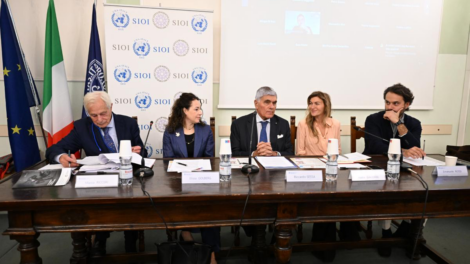

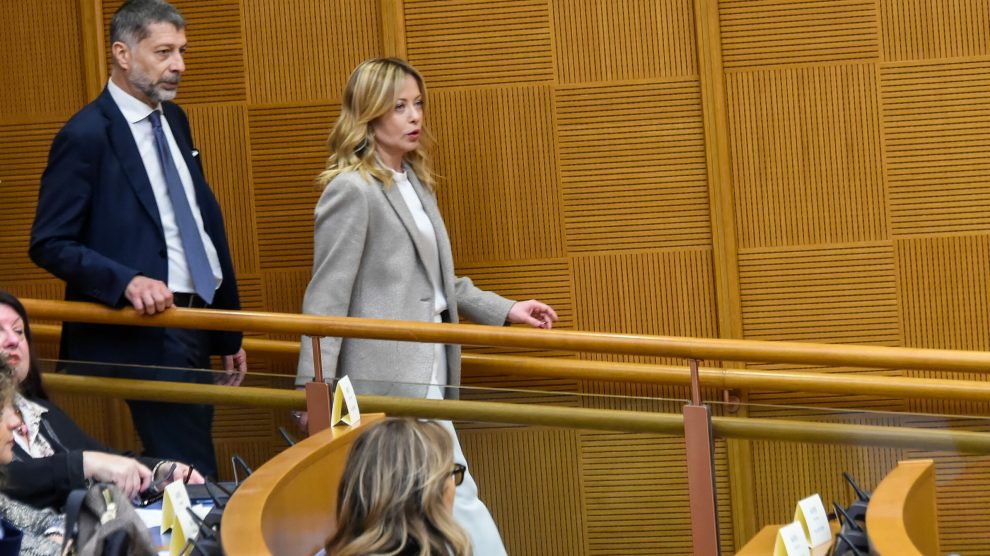
Against a backdrop of ongoing wars, regional instability, and strained alliances, Giorgia Meloni framed Italy’s foreign policy as pragmatic, Atlanticist, and explicitly geopolitical — distinct from domestic political polemics and focused instead on power balances, credibility, and continuity.
The big picture: This was Meloni’s third start-of-year press conference since taking office, and it served as a stocktaking exercise of Italy’s international posture: where Rome is present, where it wants leverage, and where it draws clear limits.
What she’s saying:
- On Ukraine, Meloni argues that Europe needs a political channel with Moscow: “It is time for the EU to talk to Russia”.
- She ruled out deploying Italian troops, stressing that credible security guarantees rest with NATO’s Article 5, not ad hoc multinational forces without a UN mandate.
- On relations with Washington, Meloni acknowledged open disagreements with the U.S. president — particularly on international law — but framed them as part of a mature alliance, addressed directly and without ambiguity.
Between the lines Meloni is carefully balancing firmness with restraint. She distances herself both from pro-Russia narratives inside Italy and from unilateral impulses among allies, pushing instead for a stronger European political role that complements — rather than challenges — NATO.
- The message is clear: Europe should not outsource diplomacy, but neither should it undermine the transatlantic framework.
On allies and global flashpoints: The EU and NATO are described as part of a single, indivisible strategic space.
- Meloni urged allies to focus on areas of convergence rather than friction.
- She expressed skepticism about the likelihood — and utility — of a U.S. military move on Greenland, calling it counterproductive.
Middle East file: Meloni insisted the Middle East remains firmly on Italy’s agenda. Rome is prepared to contribute to post-conflict security in Gaza, including through training Palestinian security forces — positioning Italy as an early and proactive European stakeholder.
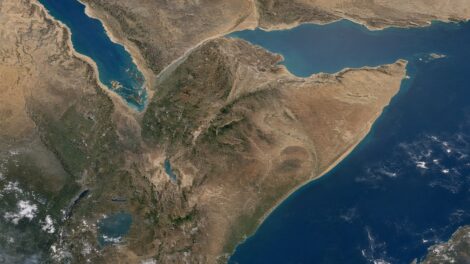
Africa focus: Italy’s flagship Africa policy, the Mattei Plan, has expanded from 9 to 14 participating countries.
- Rome aims to add new partners annually.
- A Italy–Africa summit is planned on African soil, likely in Ethiopia, home to the African Union, where new projects and partner countries will be unveiled.
The bottom line: Meloni is presenting Italy as a country that stays anchored to the transatlantic alliance while seeking greater diplomatic weight of its own — not by breaking alignments, but by being consistently present where strategic decisions are shaped.