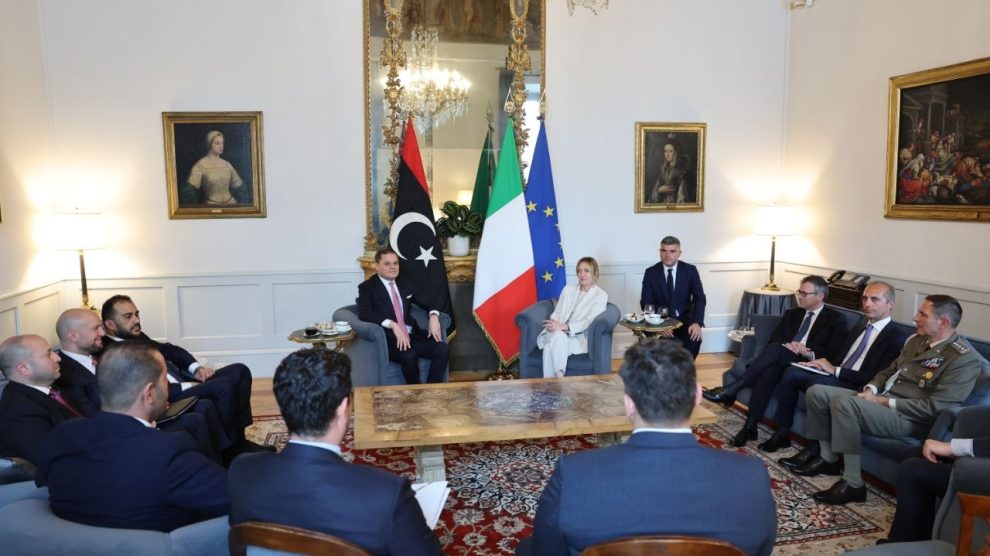
Italian Prime Minister Giorgia Meloni met Libyan Government of National Unity Prime Minister Abdulhamid Dabaiba at Palazzo Chigi on Wednesday, with both sides stressing the need to fast-track gas projects and deepen “strategic cooperation,” according to the Libyan government.
The talks reflected Italy’s broader effort to secure diversified energy supplies through the Mediterranean as instability and regional tensions continue to reshape energy flows.
Why it matters:
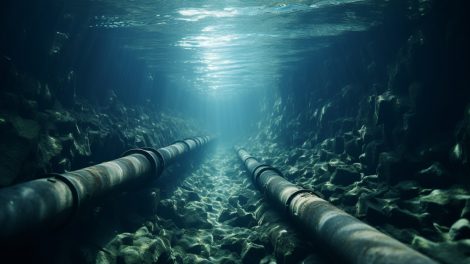
- Libya remains a strategic gas supplier for Italy through the GreenStream pipeline linking Mellitah to Sicily.
- Rome is seeking more stable Mediterranean energy partnerships amid uncertainty in global energy markets.
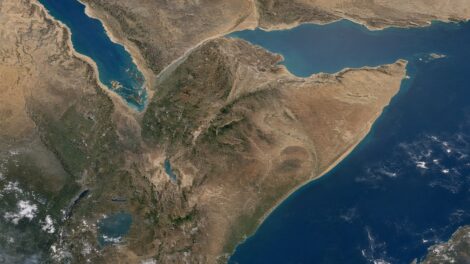
- Concerns over maritime security and tensions affecting routes such as the Strait of Hormuz are increasing the importance of nearby suppliers.
- Eni is expanding its long-term footprint in Libya with projects worth around $10 billion.
The big picture: Energy has become one of the central pillars of the relationship between Rome and Tripoli.
- Italian and Libyan officials framed the talks around supply security and the need to strengthen energy diversification at a time of shifting regional and international markets.
- The message from Rome suggested continuity in Italy’s strategy of positioning the Mediterranean as a key axis of its energy policy following the disruption of European energy balances in recent years.
Zoom in: The gas link. The GreenStream pipeline remains the backbone of energy ties between the two countries.
- The infrastructure connects Libya’s Mellitah complex to Italy through Sicily and has long made Libya an important supplier for the Italian market.
- But Libyan gas exports to Italy have declined in recent years due to rising domestic demand inside Libya and infrastructure constraints affecting the North African country’s energy sector.
- That has increased pressure on both governments and on Eni to expand production capacity and modernize infrastructure.
Energy first. Eni has launched a series of projects in Libya aimed at boosting gas production, reducing flaring and supporting exports to Italy over the medium term.
- The initiatives include:
- the offshore Sabratha compression project;
- the “Bouri Gas Utilization Project,” focused on associated gas recovery;
- the offshore “A&E” development, described as the largest energy investment in Libya in more than two decades.
- The overall investment package is valued at roughly $10 billion.
Between the lines: The renewed push on gas cooperation highlights how Italy increasingly views North Africa as essential to its long-term energy security strategy.
- For Libya, the projects could help stabilize production capacity and attract foreign investment into a sector constrained by aging infrastructure and internal demand pressures.
What they’re saying: “I thank Prime Minister Meloni for the warmth of the reception and the spirit of cooperation that reflected the depth and strategic nature of the relations between Libya and Italy,” said Dabaiba.
What to watch: The key question is whether Libya will be able to translate new investment commitments into sustained production growth despite infrastructure bottlenecks and broader regional instability.
- Further progress on Eni-led projects is likely to become a central indicator of the durability of the Italy-Libya energy partnership.
The bottom line: The Meloni-Dabaiba meeting underscored how gas cooperation remains at the center of Italy’s Mediterranean strategy, with Rome betting that deeper energy ties with Libya can help strengthen supply security in an increasingly unstable regional environment.
(Photo: X, @Dabaibahamid)