Leonardo will not launch a counteroffer for Italian rocket manufacturer Avio following the €2.05 billion takeover bid announced by Finnish satellite company Iceye on November 17. The Italian defense group could nevertheless retain its 18% stake, while Rome prepares to assess the transaction through its Golden Power investment-screening framework.
- Speaking on November 19, Leonardo CEO Lorenzo Mariani said a competing bid would not be consistent with the group’s space strategy, particularly its involvement in Project Bromo, the planned European space venture with Airbus and Thales.
Why it matters. The proposed acquisition offers an opportunity to strengthen Europe’s space capabilities through cross-border industrial integration. Iceye specializes in satellite-based Earth observation, while Avio manufactures the Vega launchers and provides critical propulsion technologies.
- Combining these capabilities could create a more integrated European player, connecting satellite manufacturing and operations with access to orbit. Iceye has also announced plans to invest an additional €1 billion in Italy over five years, subject to completion of the transaction and other conditions.
The Bromo connection. The transaction fits into a broader transformation of Europe’s space industry. Project Bromo seeks to consolidate the satellite businesses of Leonardo, Airbus and Thales, creating the industrial scale needed to compete internationally.
- As Decode39 has previously examined in an interview with Leonardo executive Giovanni Soccodato, European space integration increasingly depends on the ability to combine complementary industrial capabilities and translate cooperation into operational and commercial advantages.
- Iceye–Avio would follow a different but potentially complementary path, integrating launch capabilities with satellite operations. The two initiatives could strengthen different segments of the European space ecosystem without necessarily requiring them to operate within the same corporate structure.
- In a recent interview, Leonardo CEO Lorenzo Mariani has identified Avio’s strategic importance both for satellite launches and for the missile propulsion supply chain, including technologies relevant to MBDA. The growing convergence between space capabilities and defense requirements is also reflected in emerging European industrial partnerships involving orbital technologies.
Golden Power, not protectionism. Italy’s national security interests make government scrutiny essential. Avio’s launch technologies, industrial know-how and defense-related activities are strategic assets whose continuity and protection cannot be left exclusively to commercial considerations.
- Yet safeguarding those interests need not mean blocking European industrial consolidation. Golden Power provides Rome with a framework to assess the operation and, where legally appropriate, impose conditions concerning sensitive technologies, industrial capacity and strategic supply chains.
- Finnish initiative could also open opportunities for Italian companies to strengthen their connections with German and Northern European industrial networks. Such opportunities deserve consideration alongside national security requirements, particularly as Europe seeks greater investment, technological integration and industrial scale.
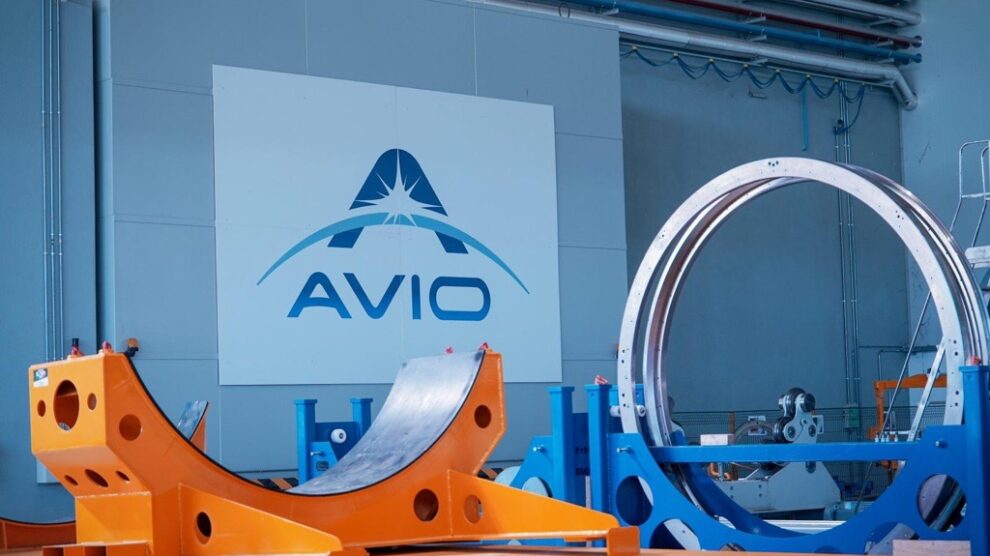
- Italy already occupies an important position in this evolving European space architecture. As highlighted during European Defence and Space Commissioner Andrius Kubilius’s recent visit to Italian aerospace facilities, including Avio, the country’s technological and manufacturing capabilities are central to the European ambition of achieving greater autonomy in space.
The bottom line. Europe’s space sovereignty cannot be built solely within national industrial boundaries. Operations such as Bromo and the proposed Iceye–Avio acquisition could help develop a more integrated European industrial base.
- For Italy, the objective should be to ensure that consolidation strengthens domestic capabilities and safeguards strategic technologies while keeping the country at the center of Europe’s emerging space ecosystem.